How to Distinguish Genuine Intrinsically Safe Radios from Counterfeit Products

In its previous article, the Dynercomm Market Intelligence & Research Center examined irregularities in the intrinsically safe digital two-way radio market and highlighted several common characteristics of counterfeit and substandard products. In this article, we take a closer look at the fundamental differences between genuine intrinsically safe radios and counterfeit products, explain practical methods for verifying authenticity, and provide purchasing guidance to help professional users make more informed decisions and better protect their rights and interests.
Common Counterfeit Practices in the Market
1. Refurbished Radios Disguised as New Products
Some unauthorized sellers acquire discarded or second-hand non-intrinsically safe radios and refurbish them by replacing their housings and other exterior components before reselling them as regular products. Although these devices may appear new externally, their actual condition, service history, and internal components may differ significantly from those of genuine new equipment.
2. Non-Intrinsically Safe Radios Sold as Intrinsically Safe Models
Intrinsically safe and standard non-intrinsically safe radios may appear very similar externally, but there can be fundamental differences in component ratings, circuit design, shielding, and protective structures.
Counterfeit or altered intrinsically safe labels may be applied to standard radios or refurbished non-intrinsically safe devices, which are then marketed and sold as certified intrinsically safe products. Such practices create significant uncertainty regarding the equipment’s actual intrinsic safety and explosion-protection capabilities.
3. Completely Counterfeit Products
Some counterfeit products imitate the appearance, model designation, and trademarks of genuine radios while using entirely different internal components, circuitry, manufacturing processes, and materials. Although these products may visually resemble genuine equipment, their actual technical performance, quality, and safety characteristics may be fundamentally different.
Identifying Genuine Products and Protecting Professional Users
According to the Dynercomm Market Intelligence & Research Center, counterfeit products may increasingly resemble genuine equipment in terms of appearance and certain basic functions. However, significant differences can remain in materials, internal components, manufacturing quality, technical performance, regulatory compliance, and long-term reliability.
Counterfeit products exploit the reputation and customer trust established by genuine brands and may expose users to financial losses, equipment reliability issues, and potential safety risks. In addition to supervision and market management by manufacturers and relevant authorities, professional users should therefore develop a basic understanding of product authentication and purchase equipment through reliable and authorized channels.
The Fundamental Difference Between Intrinsically Safe and Standard Two-Way Radios
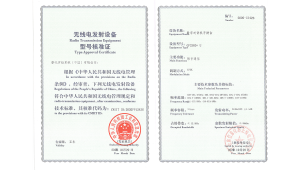
First, both standard and intrinsically safe two-way radios are required to obtain the applicable SRRC Type Approval.
SRRC approval refers to the type approval of radio transmission equipment. Wireless communication equipment entering the Chinese market is required to undergo the applicable radio transmission equipment type approval process to demonstrate compliance with relevant radio management requirements.
The Motorola GP338D+ Radio Transmission Equipment Type Approval Certificate, for example, can be used as a reference for the relevant approval information, as illustrated below.
Beyond SRRC approval, one of the fundamental distinctions between intrinsically safe radios and standard radios is the additional explosion-protection certification required for intrinsically safe products.
Intrinsically safe radios are identified by two important certifications: the Explosion-Proof Certificate and CCC Certification for Explosion-Protected Electrical Products.
According to the requirements cited in the original material from Announcement No. 34 of 2019 of the State Administration for Market Regulation, explosion-protected electrical products were incorporated into the CCC certification system beginning October 1, 2019. From October 1, 2020, products within the applicable scope that had not obtained mandatory product certification and did not bear the required certification mark could not be manufactured, sold, imported, or used in other business activities as specified by the relevant requirements.
The Motorola GP338D+ Explosion-Proof Certificate and CCC Certificate, for example, can be used as references for the relevant certification information, as illustrated below.
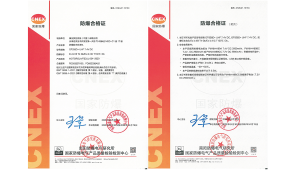
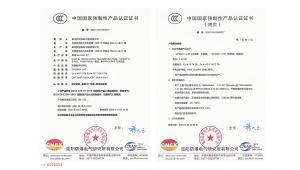
Intrinsically safe radios therefore need to undergo the applicable testing and certification procedures conducted by organizations such as the National Quality Supervision and Inspection Center for Explosion-Protected Electrical Products (CQST) and other appropriately authorized third-party organizations.
Only after meeting the applicable explosion-protection standards and environmental classification requirements and obtaining the required Explosion-Proof Certificate and CCC Certification for Explosion-Protected Electrical Products can applicable intrinsically safe radios be used in hazardous environments within the scope of their certification.
How to Identify Genuine Motorola Intrinsically Safe Radios?
For Motorola two-way radios, in addition to checking the applicable certification documentation described above, users can also refer to the product’s genuine-product authentication label. Motorola radio authentication labels are available in green and blue versions, as illustrated below.
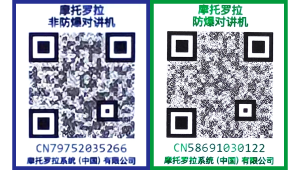
One Product, One Unique Authentication Code
Each genuine-product authentication label carries a unique identification code. Each Motorola intrinsically safe radio corresponds to an individual authentication code, while the associated product model and serial number are recorded in the genuine-product verification system.
This authentication code provides product traceability and can be used to verify information associated with the product. In effect, it gives each Motorola intrinsically safe radio an additional unique identity, strengthening product authentication and traceability.
Encrypted Authentication Protection
The authentication codes used for Motorola intrinsically safe radios incorporate advanced encryption technologies. Data within the genuine-product verification system is also protected through data encryption.
These mechanisms help safeguard authentication information and reduce the risk of unauthorized copying, misuse, or manipulation.
Specialized Anti-Counterfeiting Technologies
Genuine authentication labels also incorporate anti-copying technologies and multiple patented authentication features designed to make genuine products easier to verify.
Even where counterfeit labels attempt to imitate the visual appearance of genuine authentication labels, reproducing the complete set of embedded security features presents significantly greater difficulty.
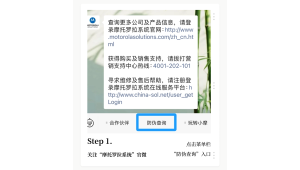
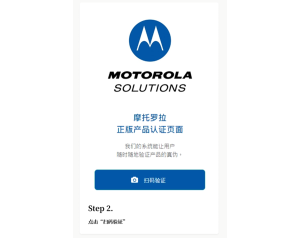
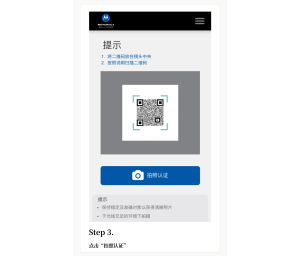
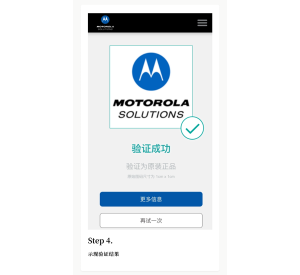
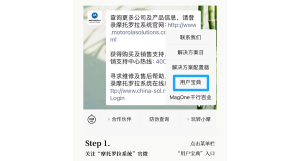
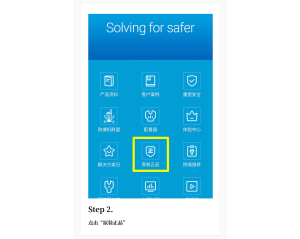
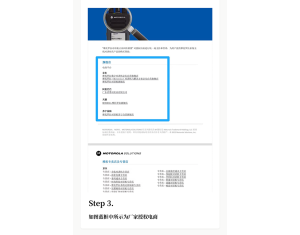
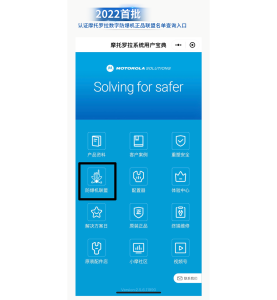
Genuine Product Verification Process
How to Purchase Genuine Intrinsically Safe Radios?
Dynercomm recommends purchasing intrinsically safe radios through formal and authorized distribution channels.
Choosing the right channel is particularly important for professional intrinsically safe communication equipment because customers are purchasing not only the radio itself, but also access to traceable product information, appropriate certification documentation, genuine accessories, professional technical support, and reliable after-sales services.
For Motorola professional radios, customers can purchase products through manufacturer-authorized e-commerce channels or certified channel partners within the Motorola Authentic IS Radio Alliance(MAIA).
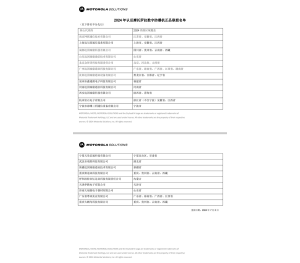
As a Motorola Solutions distributor and a member of the Motorola Authentic IS Radio Alliance(MAIA), Dynercomm has long focused on the distribution of intrinsically safe professional radios while working closely with channel partners to strengthen market standards, optimize product portfolios, expand system technologies, and provide professional users with comprehensive technical support and after-sales services.
Working Together Against Counterfeit Products
The Dynercomm Market Intelligence & Research Center believes that counterfeit and substandard products should not be regarded as an unavoidable part of the market. Continuous action by manufacturers, distributors, channel partners, industry organizations, and users is essential to creating a more transparent, standardized, and reliable professional communication market.
As an active member of the Motorola Authentic IS Radio Alliance and one of the participants committed to promoting genuine Motorola products, Dynercomm continues to advocate for the protection of professional users’ rights and interests.
Through coordinated channel management, greater product authentication awareness, professional customer support, and multi-channel market initiatives, Dynercomm will continue working with industry partners to combat counterfeit and substandard intrinsically safe radios, promote genuine products, and help professional users make safer and more reliable purchasing decisions.
We aim to provide our customers with…
Comprehensive Professional Communication & Security Solutions
- Comprehensive Project Requirements Assessment
- Practical and Feasible Project Recommendations
- Accurate Solution Quotation
"*" indicates required fields